


When most businesses think about SEO, they focus on big, high-volume keywords, the ones everyone wants to rank for. But here’s the truth, those broad keywords are usually expensive, competitive, and often attract visitors who aren’t ready to convert.
Long-tail keywords are where the real growth happens.
These longer, more specific search phrases are used by people who know exactly what they’re looking for. And when your website answers those queries better than anyone else, Google rewards you with stronger rankings and more targeted traffic.
At Outrank, we’ve seen countless businesses dramatically increase leads, enquiries, and sales simply by incorporating long-tail keywords into their SEO strategy. Here’s how you can do the same.
What Are Long-Tail Keywords?
Long-tail keywords are longer, more detailed search phrases, typically three to six words, used by users with clear intent.
Examples:
- ‘emergency plumber near me open now’
- ‘best CRM for small construction businesses’
- ‘affordable website design for local trades’
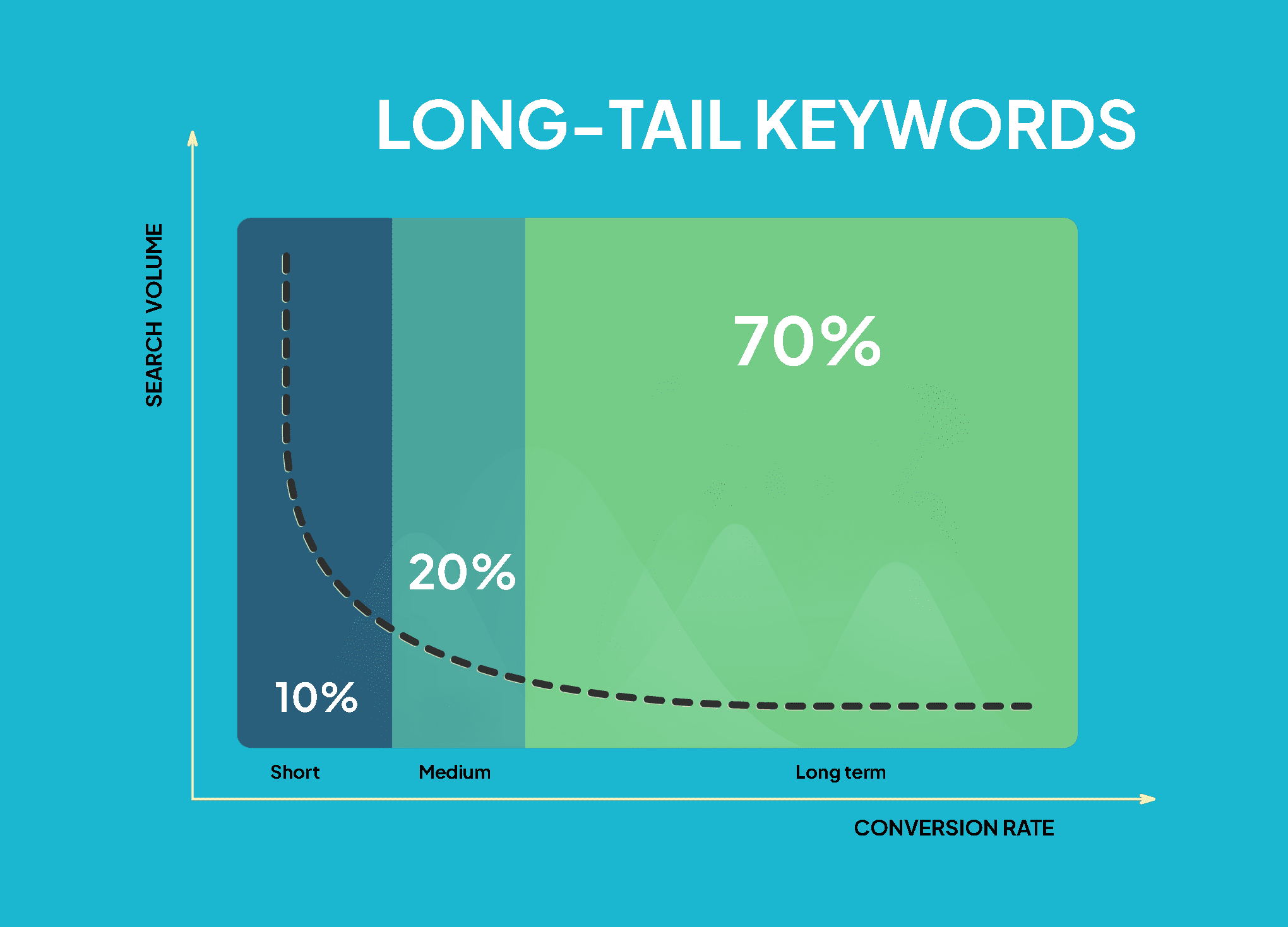
Compared to broad keywords like ‘plumber’ or ‘CRM software,’ long-tail searches:
- Have lower competition
- Are easier to rank for
- Convert significantly higher
- Reveal strong buyer intent
Why Long-Tail Keywords Matter More Than Ever
1. Google is getting better at understanding intent
Search engines no longer simply match keywords, they understand context. Long-tail phrases give Google a clearer signal about what your content covers and who it helps.
2. Voice search is exploding
People speak differently than they type.
Queries like:
‘How do I fix low water pressure in my shower?’ are now extremely common, and they’re all long-tail opportunities.
3. They drive higher-quality traffic
Users searching long-tail terms are closer to making a decision.
This means:
- More conversions
- Better leads
- Stronger ROI
Perfect for businesses aiming to scale efficiently.
How to Find High-Value Long-Tail Keywords
Here are strategies we use at Outrank to uncover profitable opportunities:
1. Analyse real customer questions
Check:
- Sales emails
- Live chat logs
- Customer service queries
- Social media comments
These reveal the exact phrases people use.
2. Use SEO tools (the right way)
Tools like Ahrefs and SEMrush can uncover:
- Question-based searches
- Comparison queries
- Localised long-tail terms
But the key is analysing intent, not just volume.
3. Examine competitor gaps
Look for:
- Topics competitors only cover briefly
- Missing FAQs
- Untapped niches in their content
These make easy ranking wins
4. Look at your own search data
Google Search Console is a goldmine. It shows queries you already partially rank for, often long-tail phrases you can improve quickly.
How to Use Long-Tail Keywords to Improve Rankings
1. Build optimised, high-quality content around them
Create pages that directly address the query. This could be:
- Blog posts
- Service pages
- FAQs
- Landing pages
2. Structure content to match search intent
If the query sounds like a problem > write a solution-driven article.
If it sounds like a buyer > create a service or product page.
If it asks for options > build a comparison guide.
3. Include long-tail terms naturally
Use them in:
- Headings
- Meta titles
- Meta descriptions
- Image alt text
- Body text
But always maintain readability and helpfulness.
4. Create clusters
One optimised article is good. A cluster of interconnected content is even better, and helps you dominate a topic area.
Real-World Result: Why Clients See Stronger ROI With Long-Tail SEO
Clients who embrace long-tail keyword strategies typically see:
- Faster ranking improvements
- More organic conversions
- Stronger lead quality
- Lower acquisition costs
That’s because you’re targeting users who already know what they want, and are actively searching for it.
Start Leveraging Long-Tail Keywords with Outrank
Long-tail SEO isn’t about chasing thousands of tiny keywords; it’s about attracting the right people with laser-focused content that answers their questions and solves their problems.
If you want more visibility, more enquiries, and more customers, long-tail keyword optimisation is one of the most effective strategies you can implement today.
Want Outrank to help?
We can research, plan, create, and optimise your content so your business dominates search results where your competitors aren’t even looking, just contact our team today.