


Google is updating how budget pacing works for scheduled campaigns, and businesses running paid ads should review their accounts before the change comes into effect.
From 1 June 2026, Google Ads campaigns with ad schedules will pace towards the full monthly budget limit, even when ads only run on selected days or during specific hours.
That means if your ads only run on weekdays, during office hours or at certain times of day, Google may spend more aggressively during those active periods to work towards your full monthly budget.
What Is Changing In Google Ads? 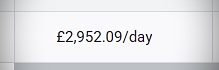
Google Ads uses your daily budget to calculate a monthly spending limit. This monthly limit usually equals your daily budget multiplied by 30.4.
With this update, Google will continue to respect your monthly budget limit, and your ads will still only run during the schedule you set. The difference comes down to pacing.
If your campaign has a limited ad schedule, Google may use more of your budget on the days and times your ads can run. This gives the system more room to spend your budget within the available campaign schedule.
For example, if your ads only run Monday to Friday, Google may push more spend into those weekdays instead of spreading spend more gently across the full month.
Why Does This Matter For Businesses?
Many businesses use ad schedules to control when their ads appear.
You might only want ads to run when your team can answer calls, when your showroom is open or when you know your best enquiries usually come in.
That still makes sense. But this change means you need to check how your budget behaves within those active hours.
You may see:
- Higher spend on active campaign days
- More budget used earlier in the month
- Busier enquiry periods during scheduled hours
- Changes in cost per lead or conversion patterns
- More pressure on campaigns with tight budgets
This does not mean the update will damage performance, in some cases, it may help campaigns capture more demand during the times that matter most.
However, it does mean businesses need to watch their accounts closely and make sure budgets, tracking and campaign goals align.
Which Campaigns Could This Affect Most?
This update could affect any campaign that uses ad scheduling, but some businesses may notice the impact more than others.
Local service businesses often schedule ads around office hours so calls go through to a real person. Retailers may schedule campaigns around peak buying times. B2B companies may limit spend to weekdays when decision-makers are active.
If your campaign only runs for part of the week or part of the day, your active periods may carry more of the monthly budget. That makes your setup even more important.
Your targeting, keywords, landing pages and conversion tracking all need to work together. Otherwise, you could spend faster without improving enquiry quality.
What Should You Review Before June 2026?
Before the update comes into effect, businesses should review any Google Ads campaign with an active schedule.
Start with your daily budgets, make sure they still match what you can afford to spend across the month.
Then review your ad schedules, ask whether your selected days and times still reflect when your best leads come through.
You should also check your conversion tracking, if Google has more flexibility with spend, you need clear data showing which clicks turn into valuable enquiries, sales or bookings.
Landing pages also matter, if your ads send users to slow, unclear or generic pages, extra spend will not fix the problem. Your pages need strong calls to action, relevant content and a clear route to enquiry.
What Does This Mean For Paid Media Strategy?
This update shows why Google Ads needs active management. Automation can help campaigns perform, but only when the account has the right structure, data and strategy behind it.
Businesses should not treat scheduled campaigns as a set-and-forget way to control spend. You still need regular checks, clear reporting and a strong understanding of which campaigns drive real commercial value.
A well-managed Google Ads account should focus on more than clicks. It should connect spend to leads, revenue and growth.
Need Help With Google Ads?
At Outrank, we help businesses get more from their Google Ads campaigns through clear strategy, accurate tracking and ongoing optimisation.
Our paid media team reviews how your budget performs, where your leads come from and how your campaigns support your wider growth goals. We do not just look at traffic. We focus on enquiries, conversion quality and return on spend.
If you run scheduled campaigns, now is the right time to review your account before Google’s budget pacing update goes live.
Speak to Outrank today about our Google Ads services and let’s make sure your paid media budget works harder for your business.