

SEO and PPC have often been treated as two separate areas of digital marketing.
SEO focuses on improving organic visibility over time, while PPC helps businesses appear in paid search results and generate traffic more quickly. Both can deliver strong results on their own, but businesses often miss valuable opportunities when the two strategies operate separately.
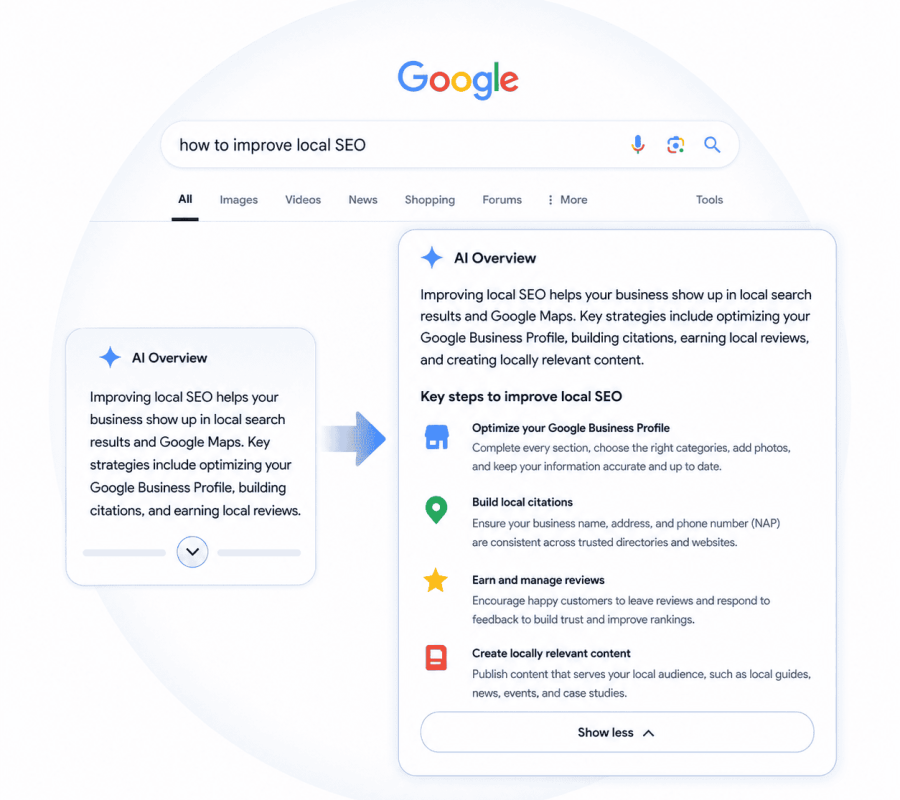
Search behaviour has changed, customers move between paid listings, organic results, map listings, shopping results, social platforms and AI-generated answers before making a decision.
Businesses therefore, need a joined-up approach that helps them appear at different stages of the customer journey.
When SEO and PPC work together, each channel can support the other. This can improve visibility, strengthen performance and help businesses make better decisions using real search data.
Why do SEO and PPC often operate separately?
Many businesses manage SEO and PPC through different teams, suppliers or budgets.
The SEO team may focus on rankings, content and technical improvements, while the PPC team monitors campaigns, cost per click and conversions. Although both teams target people using search engines, they may not regularly share data or agree on priorities.
This separation can create gaps.
A PPC campaign may identify a high-converting search term that the SEO strategy does not target. An SEO page may rank well for an important keyword, while the PPC campaign continues spending heavily on the same search without reviewing whether that budget could perform better elsewhere.
Both strategies can become less effective when they lack a shared view of the customer and the wider search results.
How can PPC data support your SEO strategy?
One of the biggest advantages of PPC is speed.
SEO can take time to generate meaningful ranking and conversion data. PPC campaigns can provide useful information much sooner, including which search terms attract clicks, generate enquiries and lead to sales.
This data can help shape an SEO strategy.
For example, a business may assume that a high-volume keyword should be its main target. However, PPC data may show that a more specific search term generates fewer clicks but produces more valuable enquiries.
The SEO team can then create or improve content around that term.
PPC can also help test:
- Keyword intent
- Page messaging
- Calls to action
- Offers
- Product or service demand
- Different landing page layouts
Instead of relying only on assumptions, businesses can use paid search results to guide longer-term organic decisions.
How can SEO improve PPC performance?
The relationship works both ways.
SEO focuses heavily on website quality, relevance, structure and user experience. These improvements can also support paid campaigns.
A PPC advert may generate a click, but the landing page still needs to convince the visitor to take action. If the page is slow, unclear or difficult to use, the campaign may struggle regardless of how well the advert performs.
SEO work can improve landing pages by making sure they:
- Match the user’s search
- Answer important questions
- Explain the service clearly
- Load quickly
- Work properly on mobile devices
- Include clear next steps
Better landing pages can improve conversion rates and help businesses get more value from their advertising budget.
SEO content can also support customers who are not ready to enquire immediately. Someone may click an advert, leave the website and return later through an organic search after carrying out more research.
Without both channels working together, this wider journey can be difficult to see.
Should businesses advertise for keywords they already rank for?
There is no single answer.
Some businesses stop PPC activity as soon as they achieve a strong organic ranking. Others continue paying for every important keyword, even when they already dominate the organic results.
The right decision depends on performance.
Running both SEO and PPC can increase overall visibility and give a business more space within the search results. This can be useful for highly competitive services, important locations or searches that regularly generate strong sales.
However, there may also be opportunities to reduce paid spend where organic rankings already produce enough traffic and conversions.
The key is to review the data rather than applying the same approach to every keyword.
SEO and PPC teams should regularly assess:
- Organic rankings
- Paid advert position
- Click-through rates
- Cost per lead
- Conversion rates
- Competitor activity
- Total revenue from search
This allows businesses to use their budget where it can have the greatest impact.
How does a joined-up strategy improve customer understanding?
SEO and PPC data can reveal a great deal about what customers need.
Search terms show the language people use, the questions they ask and the problems they want to solve. PPC data can show which searches lead to immediate action, while SEO data can highlight broader research and long-term demand.
Together, this gives businesses a clearer picture of the customer journey.
A person may begin with a broad informational search, return later using a service-based keyword and finally search for a company by name before getting in touch.
SEO may support the early research stage, PPC may capture the high-intent search and strong brand visibility may help secure the final enquiry.
Neither channel tells the full story on its own.
Can SEO and PPC help businesses respond to change more quickly?
Search demand can change quickly due to seasonality, market conditions, new services or changes in customer behaviour.
PPC can respond quickly by increasing visibility for an emerging search term. SEO can then build longer-term authority around the topic through helpful content and improved service pages.
The same approach works when demand falls.
PPC data may reveal that a keyword no longer generates valuable enquiries. The business can reduce spend and review whether the SEO content still matches customer intent.
Sharing this information helps businesses act more quickly and avoid wasting time or budget.
What does a successful SEO and PPC strategy look like?
A joined-up strategy does not mean combining every task or using the same targets for both channels.
SEO and PPC still require different skills, tools and methods, the aim is to make sure both strategies support the same commercial goals.
Teams should share keyword research, conversion data, landing page insights and campaign results. They should also agree on which services, products and locations matter most to the business.
Regular communication is essential.
When both channels use the same information, businesses can make clearer decisions about content, advertising spend and future opportunities.
Why should SEO and PPC work together?
SEO builds long-term visibility, while PPC provides speed, control and immediate insight.
Used together, they can create a stronger and more flexible search strategy.
Businesses can use PPC data to identify valuable opportunities, apply SEO improvements to strengthen landing pages and review both channels to understand how customers move from search to conversion.
SEO and PPC should not compete for attention or budget. They should work together to help businesses reach the right people, improve performance and generate more value from search.
At Outrank, we bring SEO and PPC together around your wider business goals. This helps us identify the right opportunities, use data more effectively and create a digital marketing strategy focused on meaningful growth, for more information please contact our team.